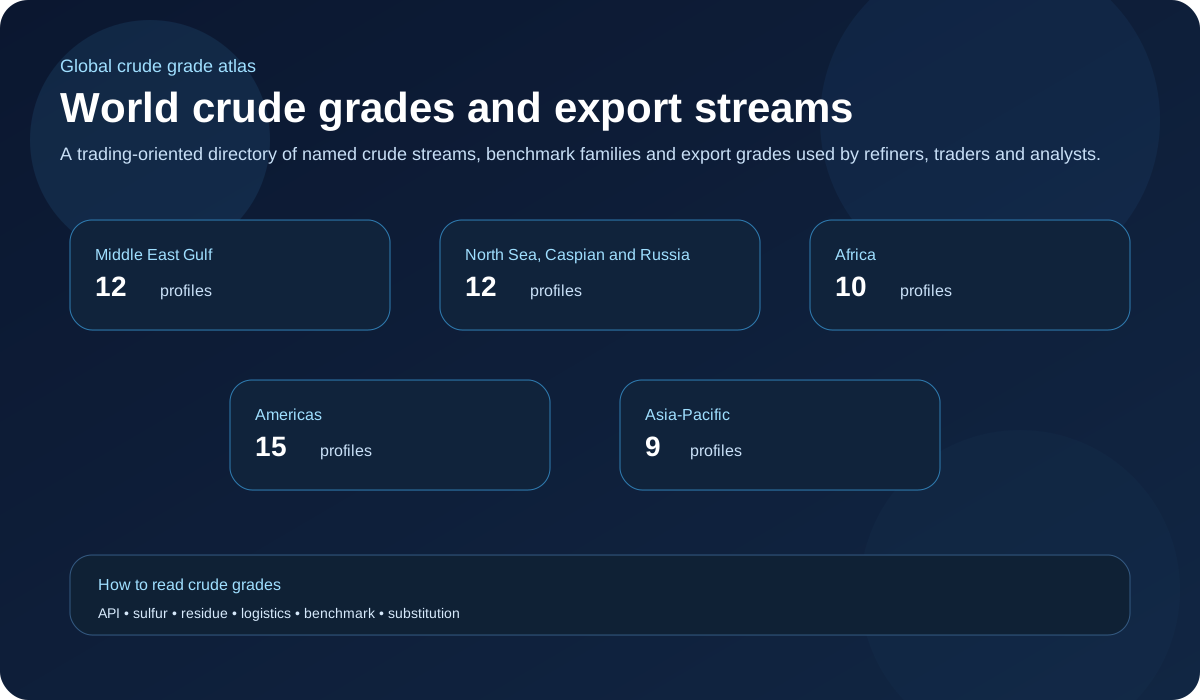
Expanded world crude atlas
Browse a much deeper directory of global crude grades, benchmark families and regional export streams.
Built for trading desks, refiners, procurement teams, shipping stakeholders, sustainability managers and industrial buyers.
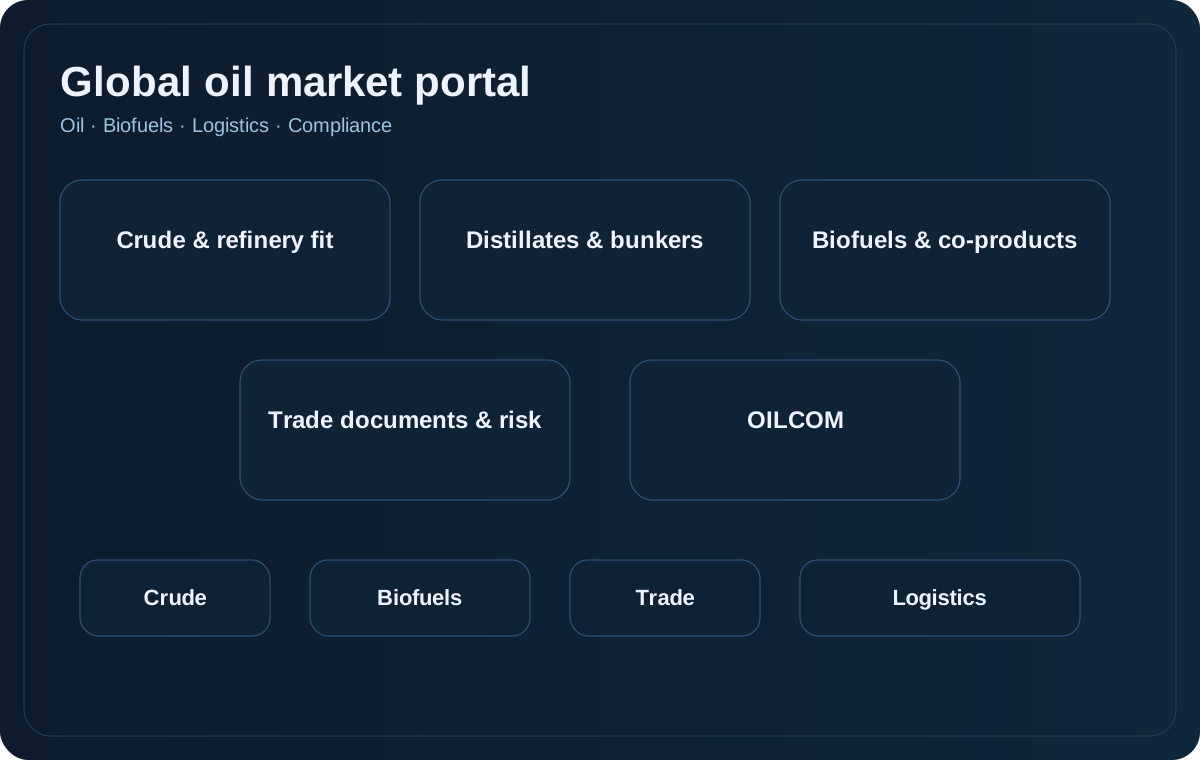
All visuals in this package are self-created SVG graphics suitable for commercial deployment without third-party image rights.
This page links into deeper modules on margins, assay reading, freight structure, trade finance and supply-chain risk.
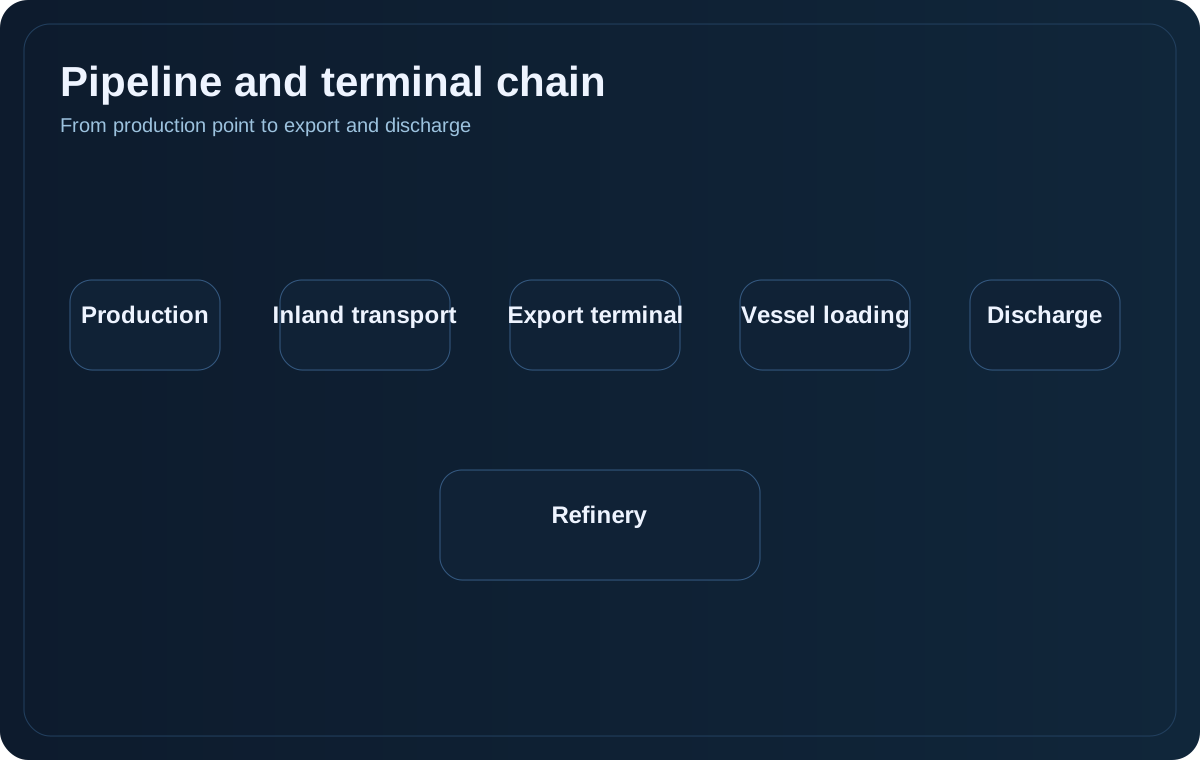
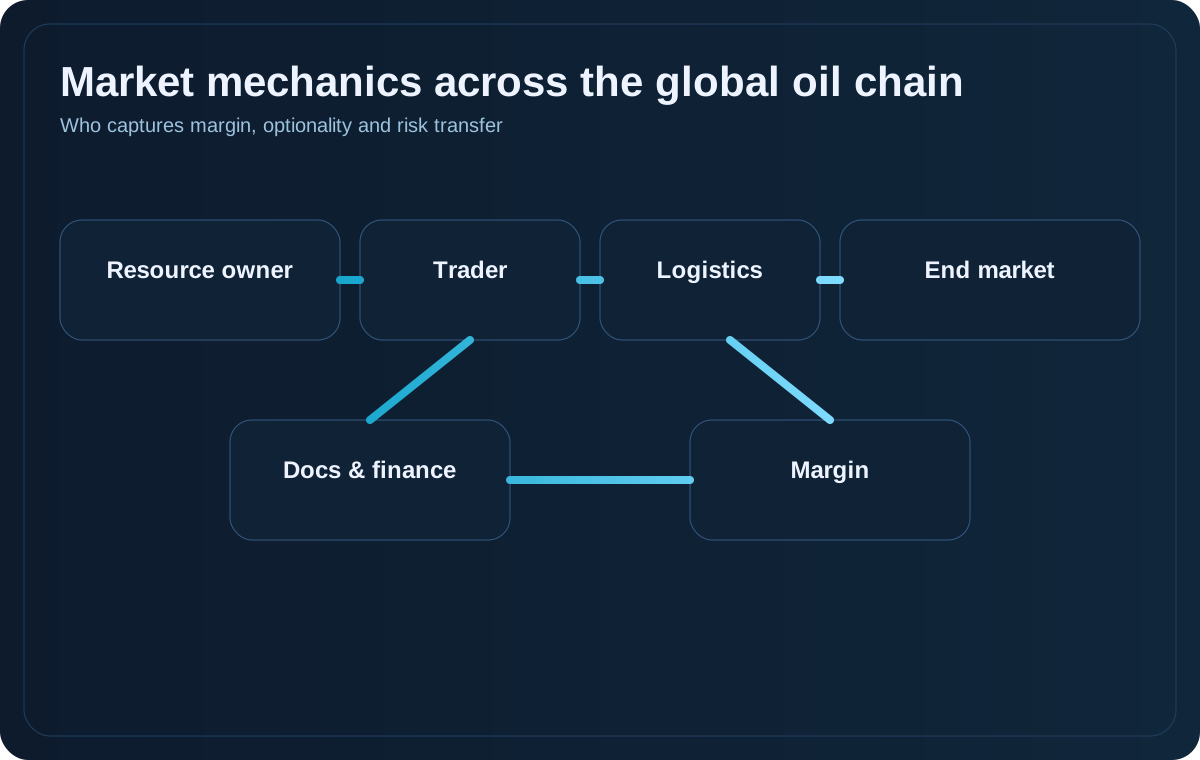
A professional reading of how barrels move from resource ownership to refinery pull, trading optionality, documentation and end-user demand.
Open related routes →
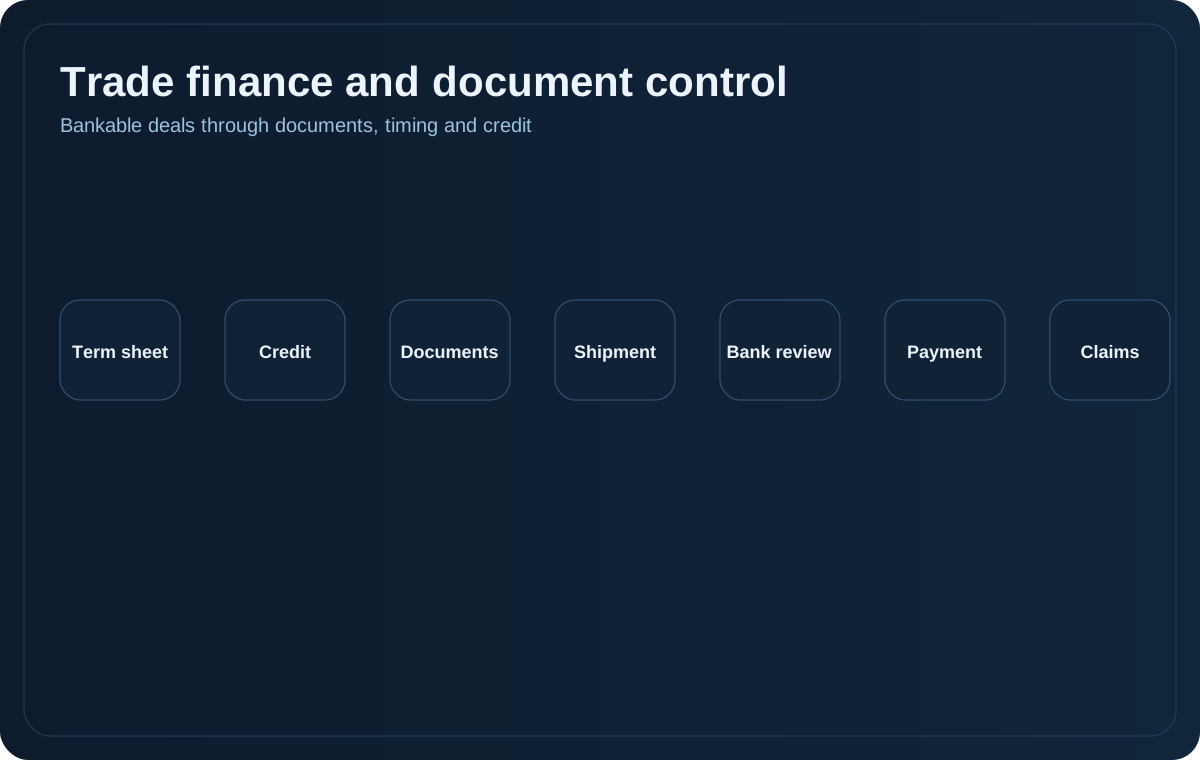
Deep diveIn oil trading, documents are not administrative leftovers; they are part of title transfer, bankability, sanctions comfort and claim defense.
Open related routes →
Deep diveA cargo that looks economical on paper can become uneconomic once draft limits, laycans, waiting time, bunkers, weather exposure and rerouting are priced in.
Open related routes →
Deep dive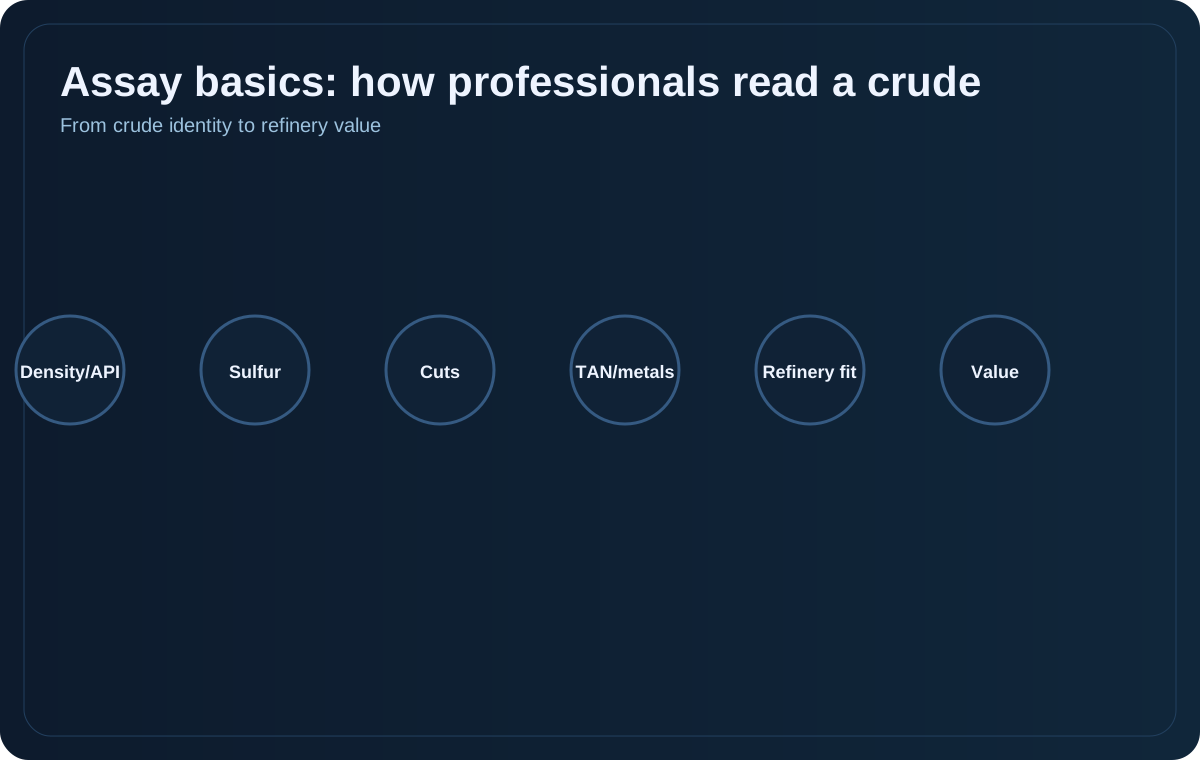
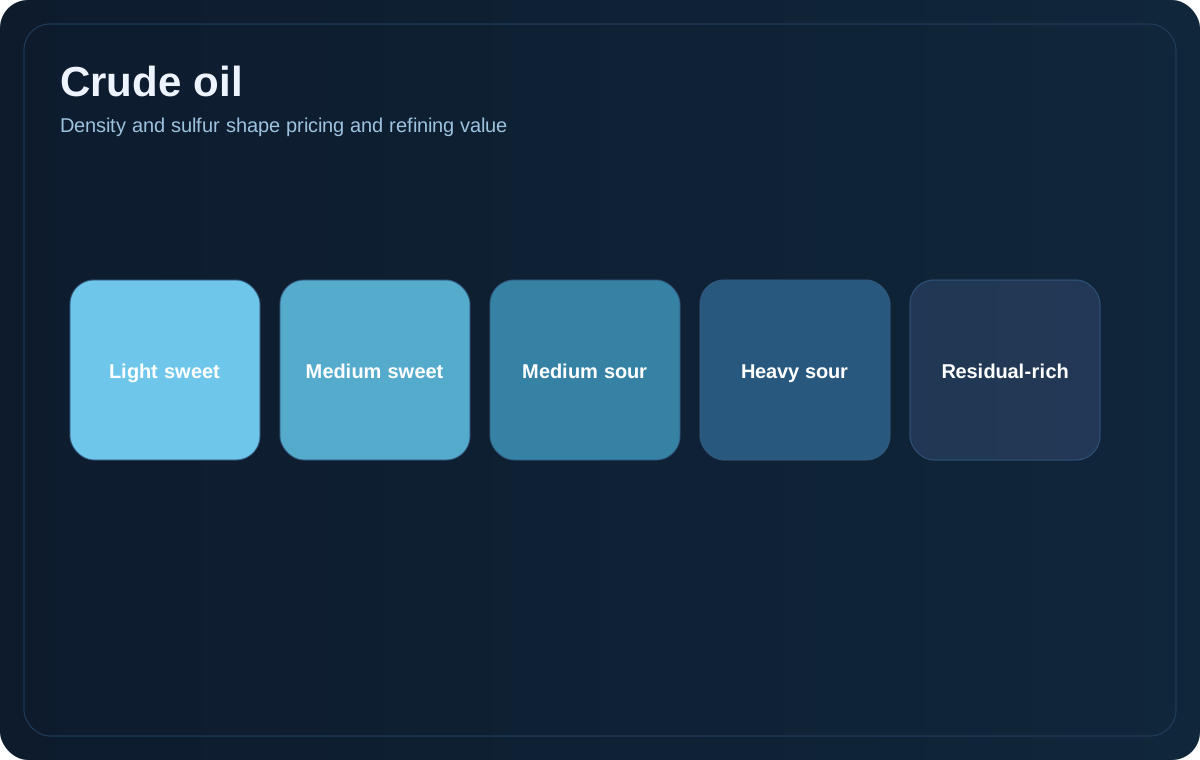
A crude name alone is not enough. Professionals read density, sulfur, cut structure, metals, acidity and refinery fit before they discuss true value.
Open related routes →
Deep dive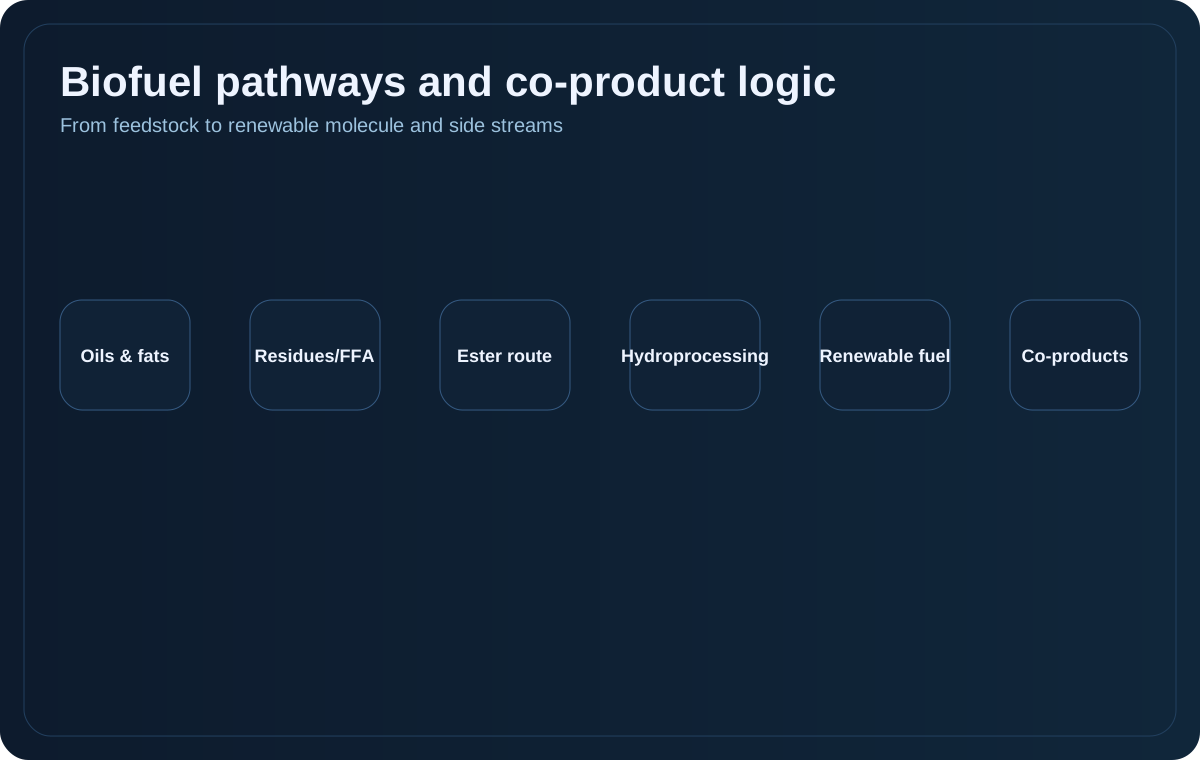
Biofuel economics are rarely driven by one headline number alone; feedstock quality, certification, conversion route and co-product monetization all matter.
Open related routes →
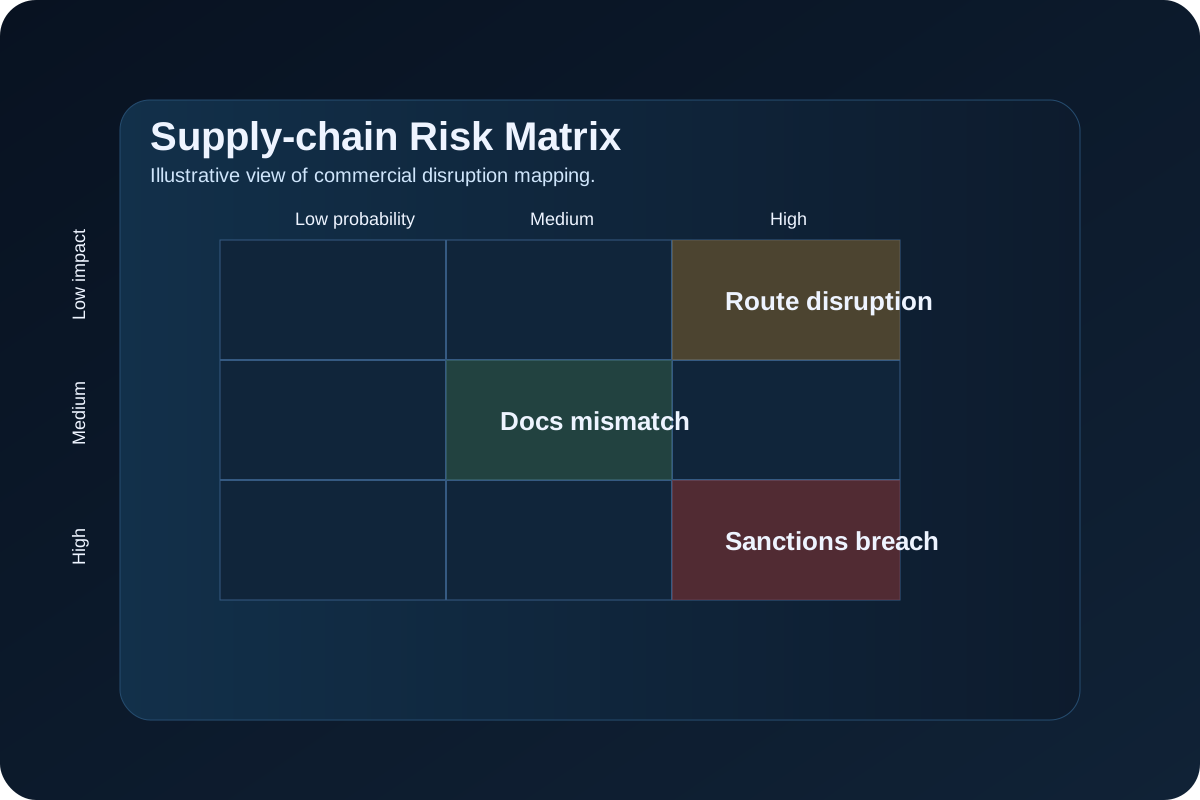
Deep diveMany oil deals fail not because the molecule is wrong, but because evidence, counterparties, route exposure or contractual responses are not mapped early enough.
Open related routes →
This page links into deeper modules on margins, assay reading, freight structure, trade finance and supply-chain risk.
Open related routes →
Segments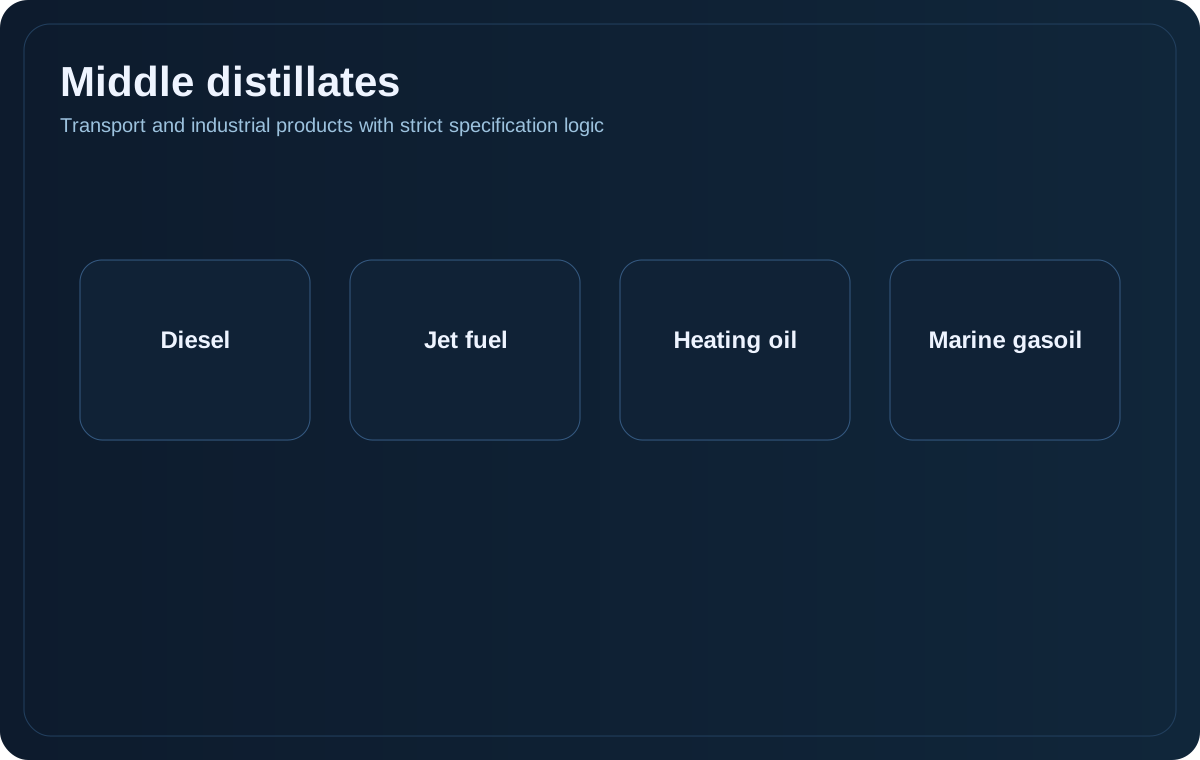
This page links into deeper modules on margins, assay reading, freight structure, trade finance and supply-chain risk.
Open related routes →
Segments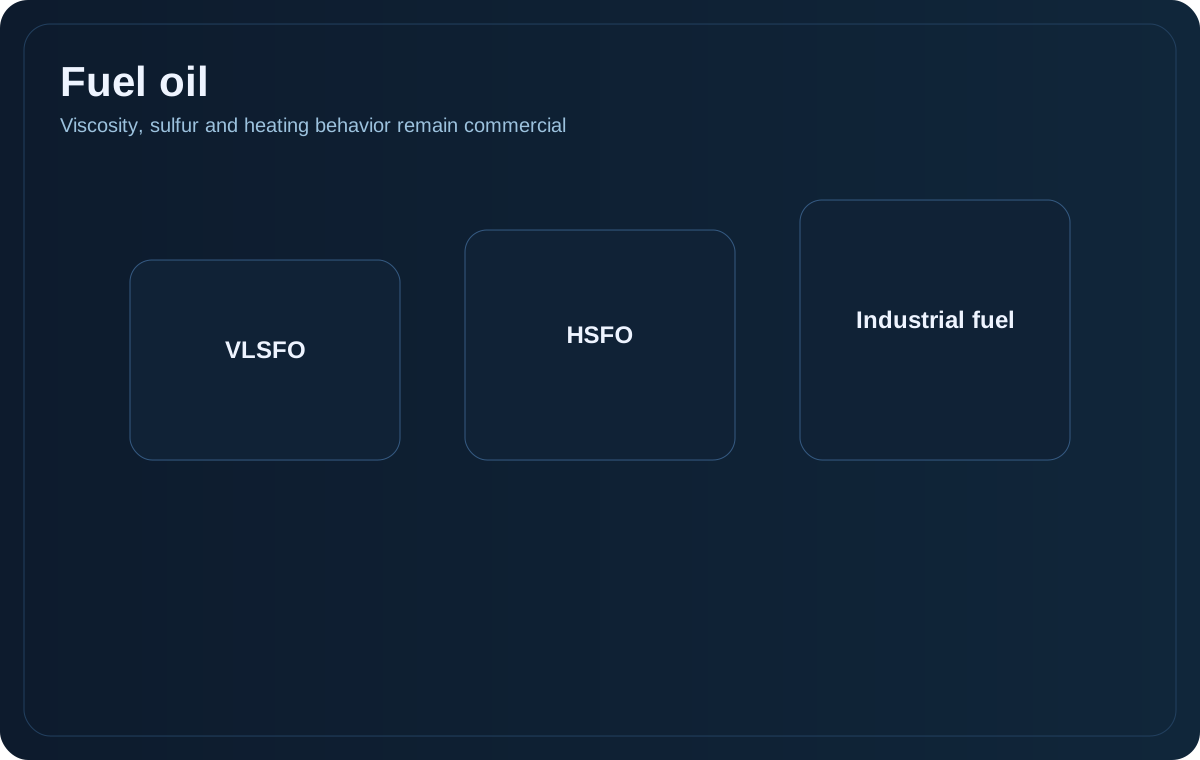
This page links into deeper modules on margins, assay reading, freight structure, trade finance and supply-chain risk.
Open related routes →
Segments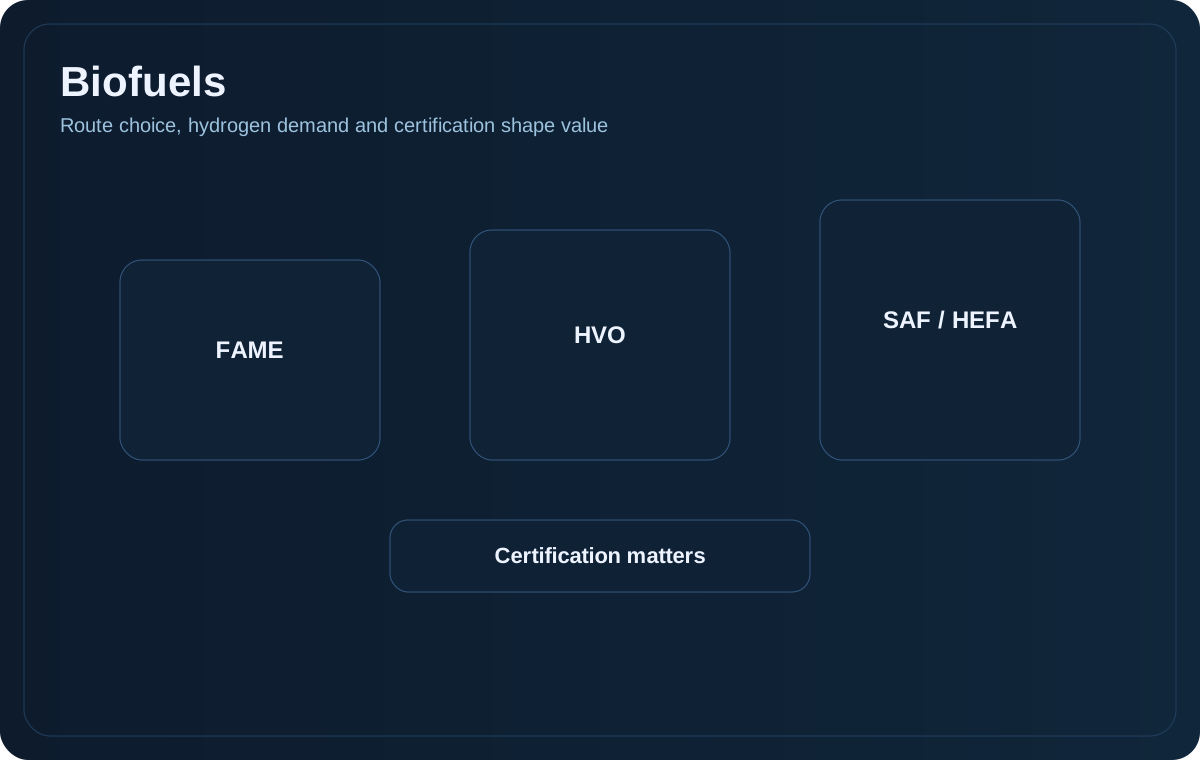
This page links into deeper modules on margins, assay reading, freight structure, trade finance and supply-chain risk.
Open related routes →
Segments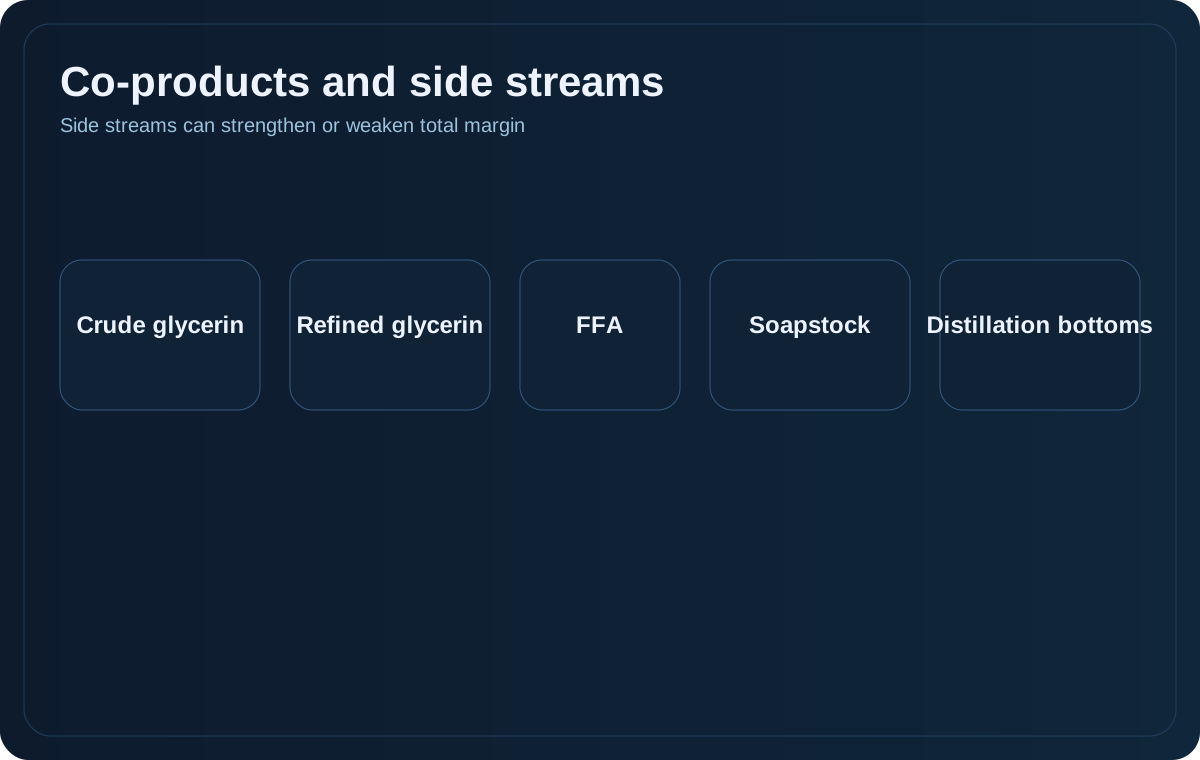
This page links into deeper modules on margins, assay reading, freight structure, trade finance and supply-chain risk.
Open related routes →
Segments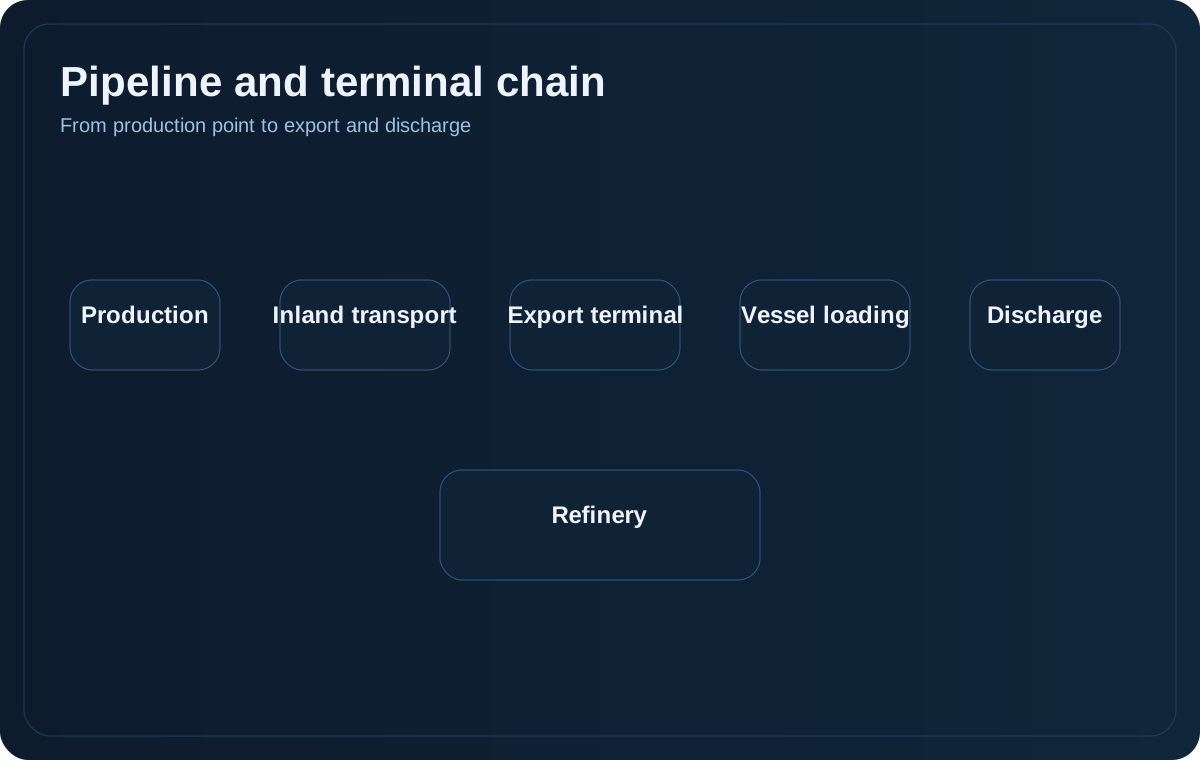
This page links into deeper modules on margins, assay reading, freight structure, trade finance and supply-chain risk.
Open related routes →
A new editorial route on flat price, basis risk, freight exposure and professional hedge design.
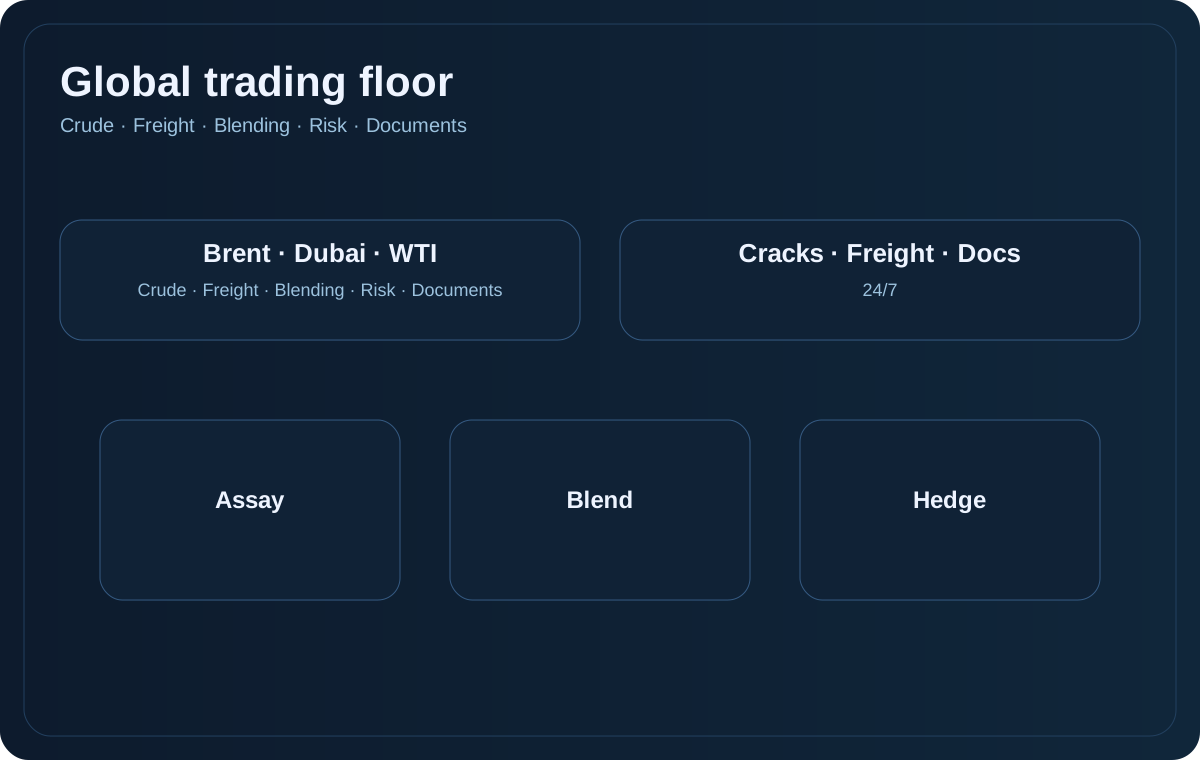
A new editorial route on flat price, basis risk, freight exposure and professional hedge design.
Open route →
Analysis
Bankable deals through documents, timing and credit
Open route →
Analysis
From feedstock to renewable molecule and side streams
Open route →
Additional pages expand the portal with more native text, more sector detail and more rights-free visual explainers.
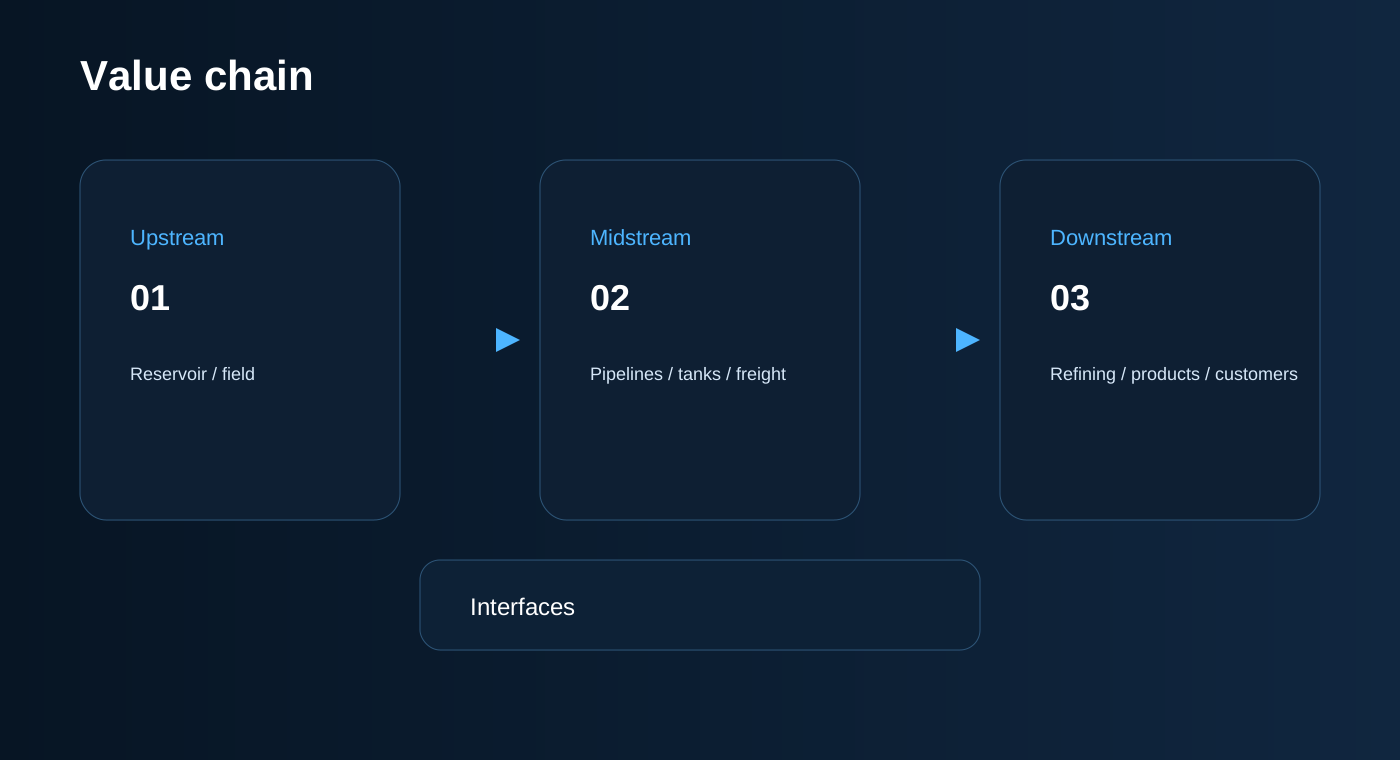
This module explains how capital, timing risk, quality control and customer access shift as a barrel moves from the reservoir to the final market.
Open route →
New module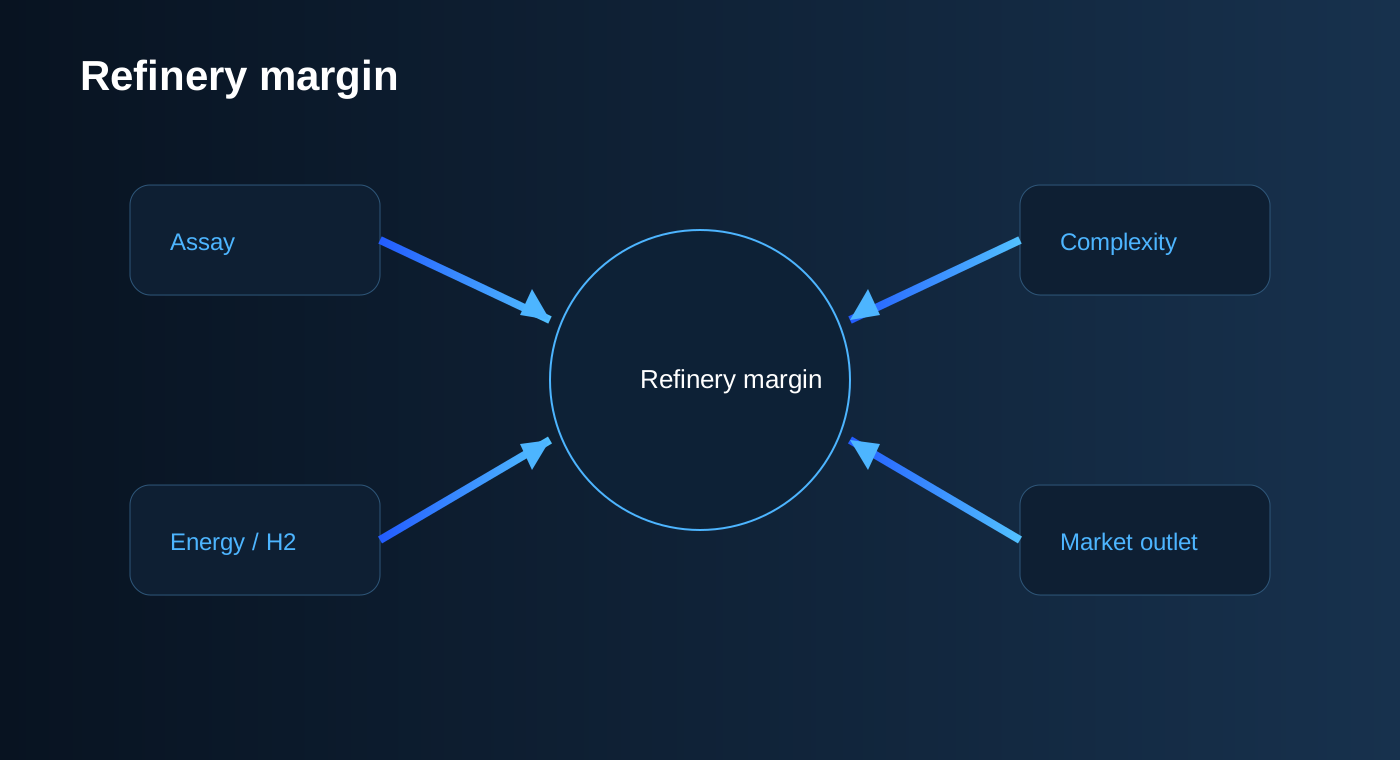
Refinery economics is more than crude price minus product price. Margin depends on assay, unit complexity, hydrogen, utilities, sulfur handling, blending room and local demand.
Open route →
New module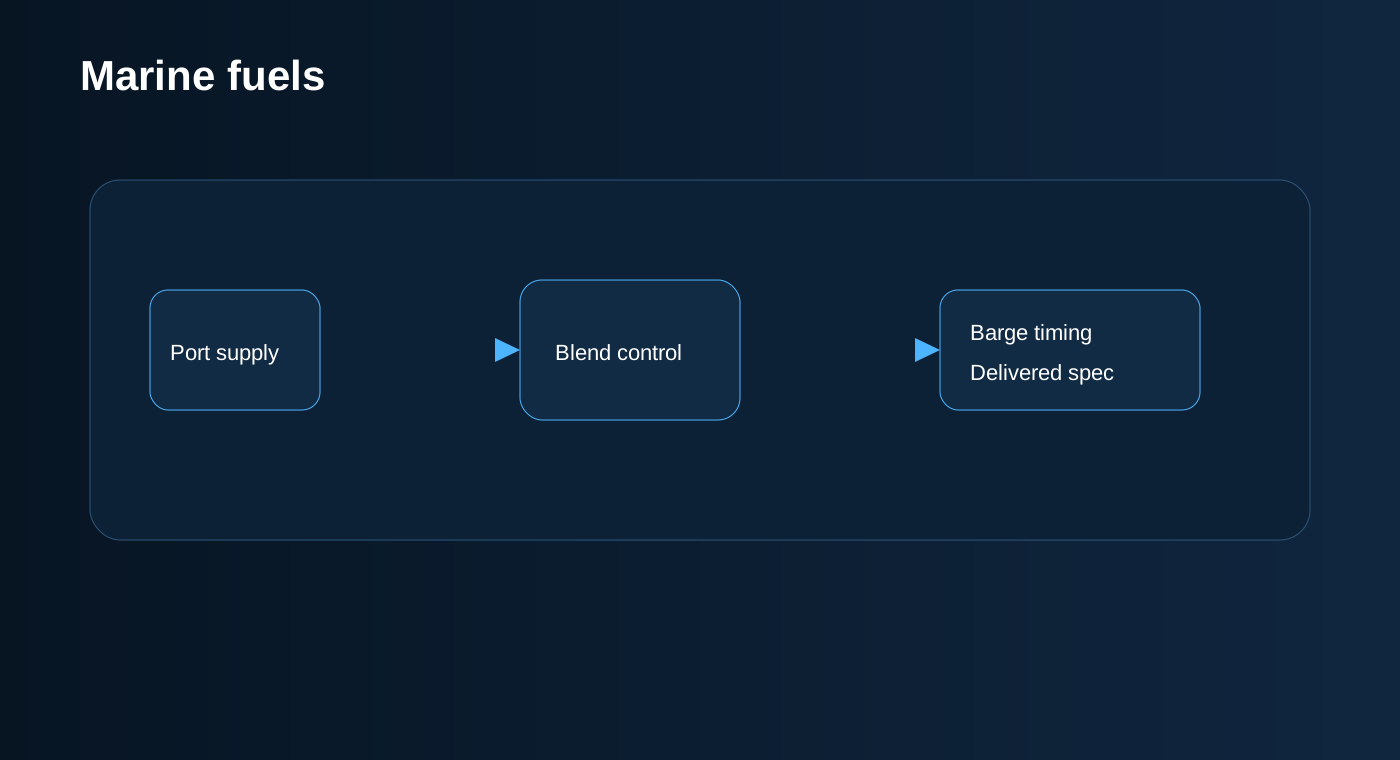
Marine fuel desks sit at the intersection of refinery output, bunker logistics, sulfur compliance, tank management and vessel scheduling.
Open route →
SEO-focused specialist pages on pipelines, export hubs, benchmarks, tanker classes and refinery complexity.
How gathering lines, trunk pipelines, tariffs, linefill and terminal interfaces shape crude availability and market optionality.
A commercial guide to berth availability, draft constraints, storage turns, inspection timing and the role of export hubs in crude price discovery.
A practical guide to how Brent-, WTI-, Dubai/Oman- and cargo-linked pricing families interact across crude and product flows.
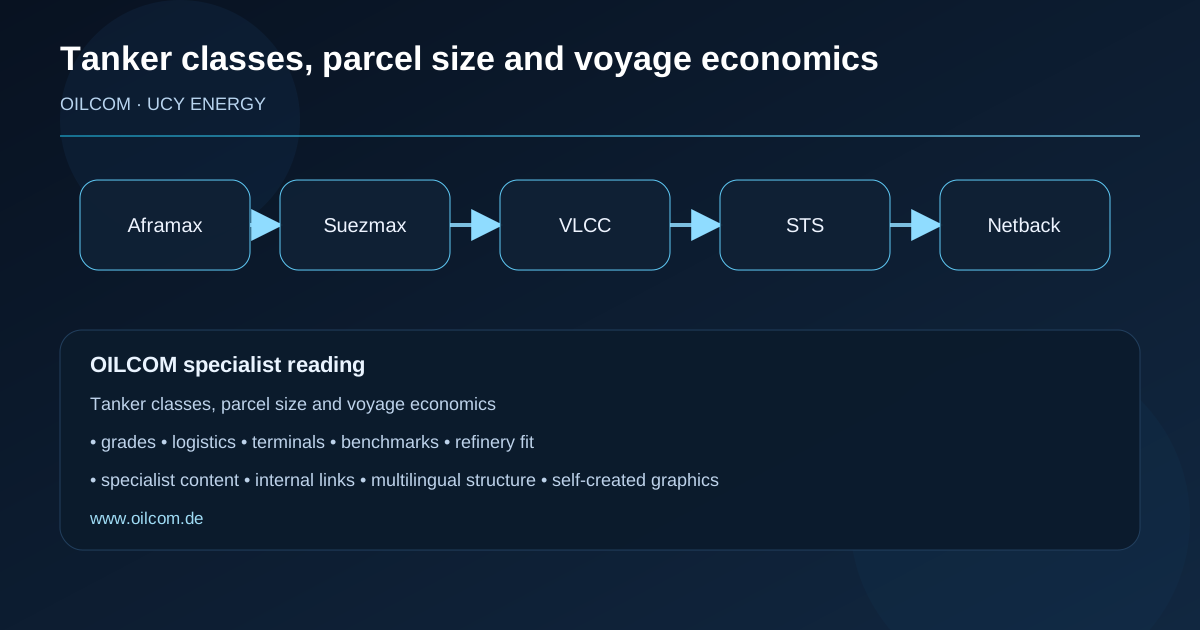
How Aframax, Suezmax, VLCC and smaller product-tanker categories change route economics, storage logic and crude placement.
Why API gravity, sulfur, residue upgrading, hydrogen balance and product cracks determine how a refinery values one grade versus another.