
Berth window and draft
A berth is valuable only if draft, weather exposure, tug capacity and pilotage support the intended parcel and ship class.
出口枢纽与港口 会改变整个石油链条中的供应可得性、调和空间、运费敞口、运营风险以及价格形成。
本页把基础设施、规格、物流与交易行为放在同一框架下,帮助买方、卖方、租船方和炼厂把市场读成一个系统,而不是零散新闻。
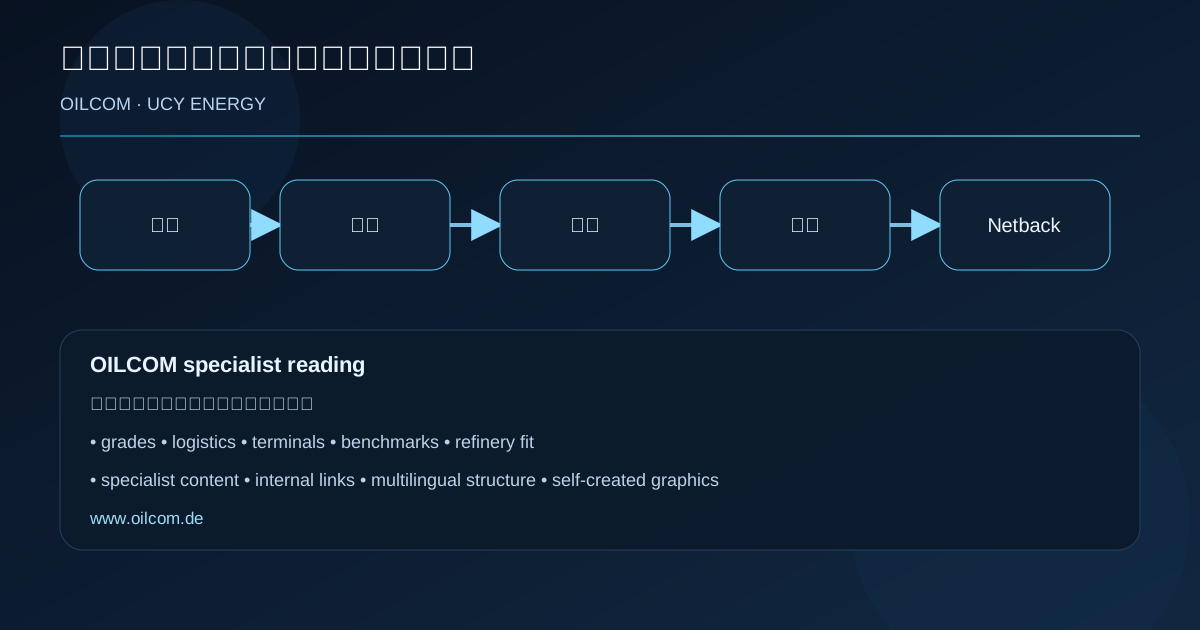
自制图形突出展示了采购、货盘计划、提名、库存控制和下游投放中常见的重要流程与决策点。
为了 SEO 和专业可读性,文本围绕清晰实体、商业术语、内部链接以及对品种、枢纽、航线和炼厂适配的反复引用来组织。
出口枢纽、泊位与港口侧原油可选性
A berth is valuable only if draft, weather exposure, tug capacity and pilotage support the intended parcel and ship class.
Port tanks create optionality: they can protect load programmes, enable blend corrections and improve parcel assembly.
Sampling, measurement, certificates and discharge-quality expectations influence when title and payment friction can appear.
If the terminal runs late, nearby values may move before the crude ever leaves the coast.
Draft, STS activity and export tankage can change parcel economics.
Terminal reliability and inspection timing often matter as much as grade quality.
High-volume hubs link port operations directly to benchmark relevance and freight choice.
Weather windows, transit timing and discharge match can reshape final netback.
这些简短回答面向商业读者,帮助他们在进入品种、航线或炼厂的细分页面之前先建立快速判断。
Because they influence timing, blend flexibility, inspection flow and which grades can actually clear into the waterborne market.
It can delay cargoes, reduce parcel size choices, alter tanker class selection and change the realized netback.
Tanks create scheduling buffer, quality correction space and optionality for parcel building.
Originators, traders, operators, shipping teams, analysts and refiners comparing delivery windows and port risk.
通过相关阅读路径,可以从总体市场结构继续进入具体原油品种、产地、出口系统和全球地图语境。