
Berth window and draft
A berth is valuable only if draft, weather exposure, tug capacity and pilotage support the intended parcel and ship class.
수출 허브와 항만는 석유 가치사슬 전반의 가용성, 블렌딩 여지, 운임 노출, 운영 리스크, 가격 형성에 영향을 줍니다.
이 페이지는 인프라, 규격, 물류, 거래 행태를 연결해 구매자, 판매자, 용선자, 정유사가 시장을 개별 뉴스가 아닌 하나의 시스템으로 읽도록 돕습니다.
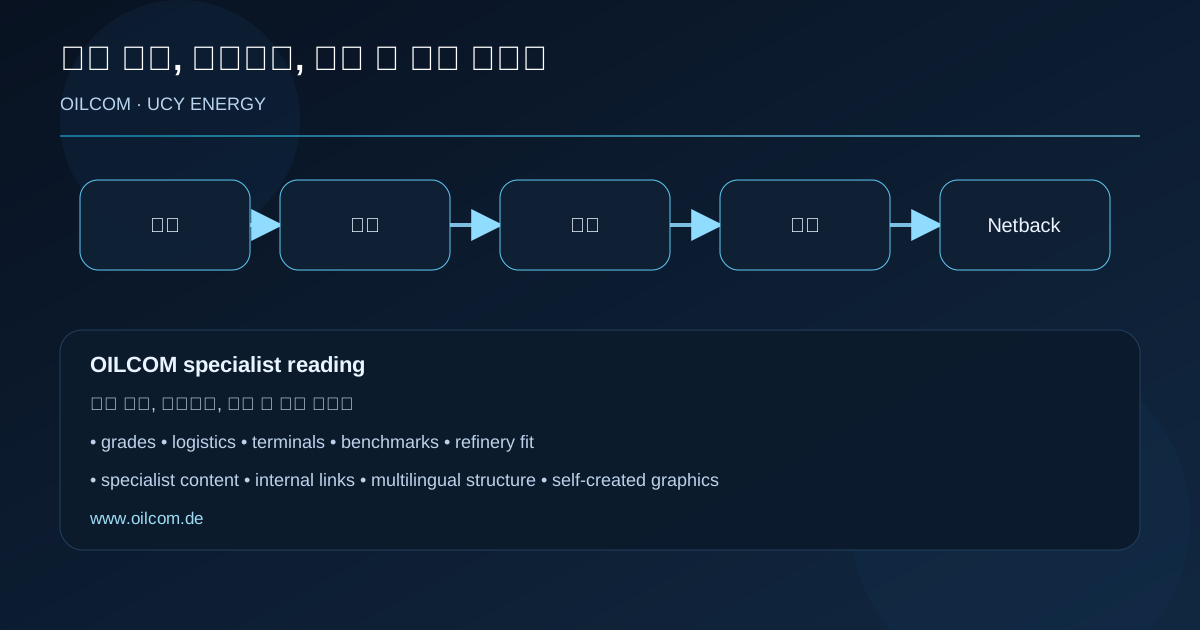
자체 제작 그래픽은 조달, 화물 계획, 노미네이션, 재고 관리, 다운스트림 배치에서 중요한 운영 순서와 의사결정 지점을 보여줍니다.
SEO와 전문 독자 가독성을 위해 텍스트는 명확한 엔티티, 상업 용어, 내부 링크, 그리고 등급·허브·항로·정유 적합성에 대한 반복 참조를 중심으로 구성했습니다.
수출 허브, 접안시설, 항만 측 원유 선택권
A berth is valuable only if draft, weather exposure, tug capacity and pilotage support the intended parcel and ship class.
Port tanks create optionality: they can protect load programmes, enable blend corrections and improve parcel assembly.
Sampling, measurement, certificates and discharge-quality expectations influence when title and payment friction can appear.
If the terminal runs late, nearby values may move before the crude ever leaves the coast.
Draft, STS activity and export tankage can change parcel economics.
Terminal reliability and inspection timing often matter as much as grade quality.
High-volume hubs link port operations directly to benchmark relevance and freight choice.
Weather windows, transit timing and discharge match can reshape final netback.
이 짧은 답변은 등급별·항로별·정유소별 세부 페이지로 이동하기 전에 빠른 방향성을 원하는 상업 독자를 위해 작성되었습니다.
Because they influence timing, blend flexibility, inspection flow and which grades can actually clear into the waterborne market.
It can delay cargoes, reduce parcel size choices, alter tanker class selection and change the realized netback.
Tanks create scheduling buffer, quality correction space and optionality for parcel building.
Originators, traders, operators, shipping teams, analysts and refiners comparing delivery windows and port risk.
관련 읽을거리를 통해 일반 시장 구조에서 명명된 원유 등급, 원산지, 수출 시스템, 세계 지도 맥락으로 이동할 수 있습니다.