
API and sulfur
API gravity and sulfur are only the first screen. The real value comes from how the refinery converts the barrel into saleable products.
グレードに普遍的な一つの価値はありません。商業価値は製油所設備、製品スレート、水素、硫黄処理、地域需要によって変わります。
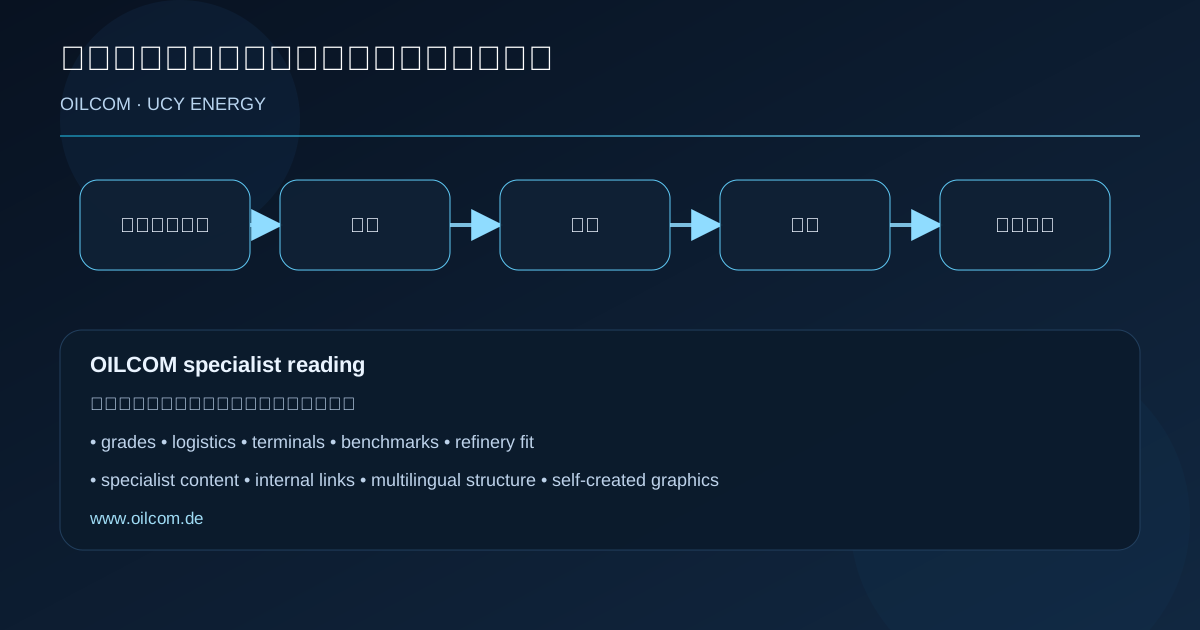
製油所の複雑度 は、供給可能量、ブレンディング余地、フレートエクスポージャー、運用リスク、価格形成を石油バリューチェーン全体で左右します。
このページは、インフラ、仕様、物流、取引行動を結び付け、買い手、売り手、用船者、製油所が市場を断片的な見出しではなくシステムとして読めるようにします。
自作グラフィックは、調達、カーゴ計画、ノミネーション、在庫管理、下流配置で重要になる運用順序と意思決定ポイントを示します。
SEO と専門読者の可読性のため、本文は明確なエンティティ、商流用語、内部リンク、グレード・ハブ・ルート・製油所適合性への反復参照で構成しています。
製油所複雑度、歩留まり価値、原油適合性
API gravity and sulfur are only the first screen. The real value comes from how the refinery converts the barrel into saleable products.
Cokers, hydrocrackers and residue-conversion assets can radically increase the value of heavier or sourer grades.
Hydrogen balance, desulfurization severity and treating limits often decide whether a grade is attractive or operationally tight.
The same crude can look excellent in one margin environment and mediocre in another because cracks and demand move.
Lighter, sweeter barrels often clear better when conversion depth is limited.
Deep-conversion sites can monetize heavy or sour grades if the discount is large enough.
Diesel and jet demand can shift the preferred crude basket even without changing flat price.
Residual outlets, bunker demand and sulfur rules affect the final value of the barrel.
これらの短い回答は、グレード別・ルート別・製油所別の詳細ページへ進む前に素早い方向付けを必要とする商業読者向けです。
Because configuration, hydrogen, sulfur limits, product slate and local demand change the net yield value of the barrel.
Refinery fit is the commercial and operational match between a crude’s properties and the refinery’s hardware, constraints and margin environment.
Yes. In the right refinery with the right discount, conversion capacity and product market, it can be very attractive.
Refinery planners, crude buyers, trading teams, analysts and anyone comparing grades by processing value rather than headline quality alone.
関連リンクを使うと、市場構造の全体像から、具体的なグレード、産地、輸出システム、世界マップへ移動できます。