
Berth window and draft
A berth is valuable only if draft, weather exposure, tug capacity and pilotage support the intended parcel and ship class.
港は単にカーゴを積む場所ではありません。待機リスク、在庫オプション、ブレンド柔軟性、喫水制約、タイミング効果を生みます。
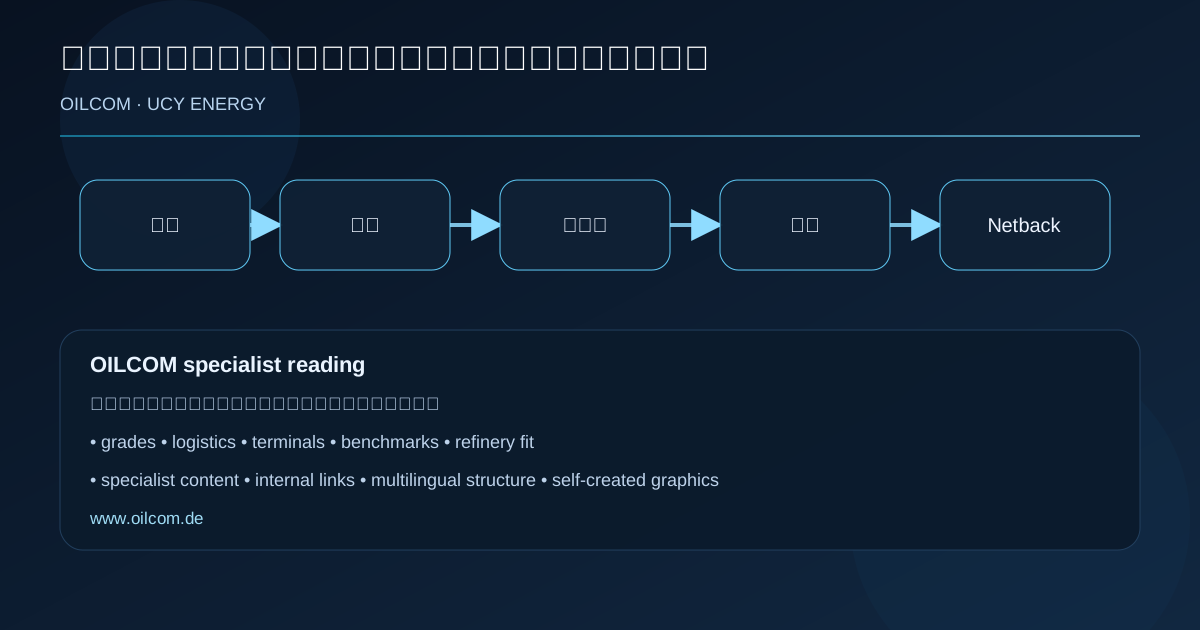
輸出ハブと港湾 は、供給可能量、ブレンディング余地、フレートエクスポージャー、運用リスク、価格形成を石油バリューチェーン全体で左右します。
このページは、インフラ、仕様、物流、取引行動を結び付け、買い手、売り手、用船者、製油所が市場を断片的な見出しではなくシステムとして読めるようにします。
自作グラフィックは、調達、カーゴ計画、ノミネーション、在庫管理、下流配置で重要になる運用順序と意思決定ポイントを示します。
SEO と専門読者の可読性のため、本文は明確なエンティティ、商流用語、内部リンク、グレード・ハブ・ルート・製油所適合性への反復参照で構成しています。
輸出ハブ、バース、港湾サイドの原油オプショナリティ
A berth is valuable only if draft, weather exposure, tug capacity and pilotage support the intended parcel and ship class.
Port tanks create optionality: they can protect load programmes, enable blend corrections and improve parcel assembly.
Sampling, measurement, certificates and discharge-quality expectations influence when title and payment friction can appear.
If the terminal runs late, nearby values may move before the crude ever leaves the coast.
Draft, STS activity and export tankage can change parcel economics.
Terminal reliability and inspection timing often matter as much as grade quality.
High-volume hubs link port operations directly to benchmark relevance and freight choice.
Weather windows, transit timing and discharge match can reshape final netback.
これらの短い回答は、グレード別・ルート別・製油所別の詳細ページへ進む前に素早い方向付けを必要とする商業読者向けです。
Because they influence timing, blend flexibility, inspection flow and which grades can actually clear into the waterborne market.
It can delay cargoes, reduce parcel size choices, alter tanker class selection and change the realized netback.
Tanks create scheduling buffer, quality correction space and optionality for parcel building.
Originators, traders, operators, shipping teams, analysts and refiners comparing delivery windows and port risk.
関連リンクを使うと、市場構造の全体像から、具体的なグレード、産地、輸出システム、世界マップへ移動できます。