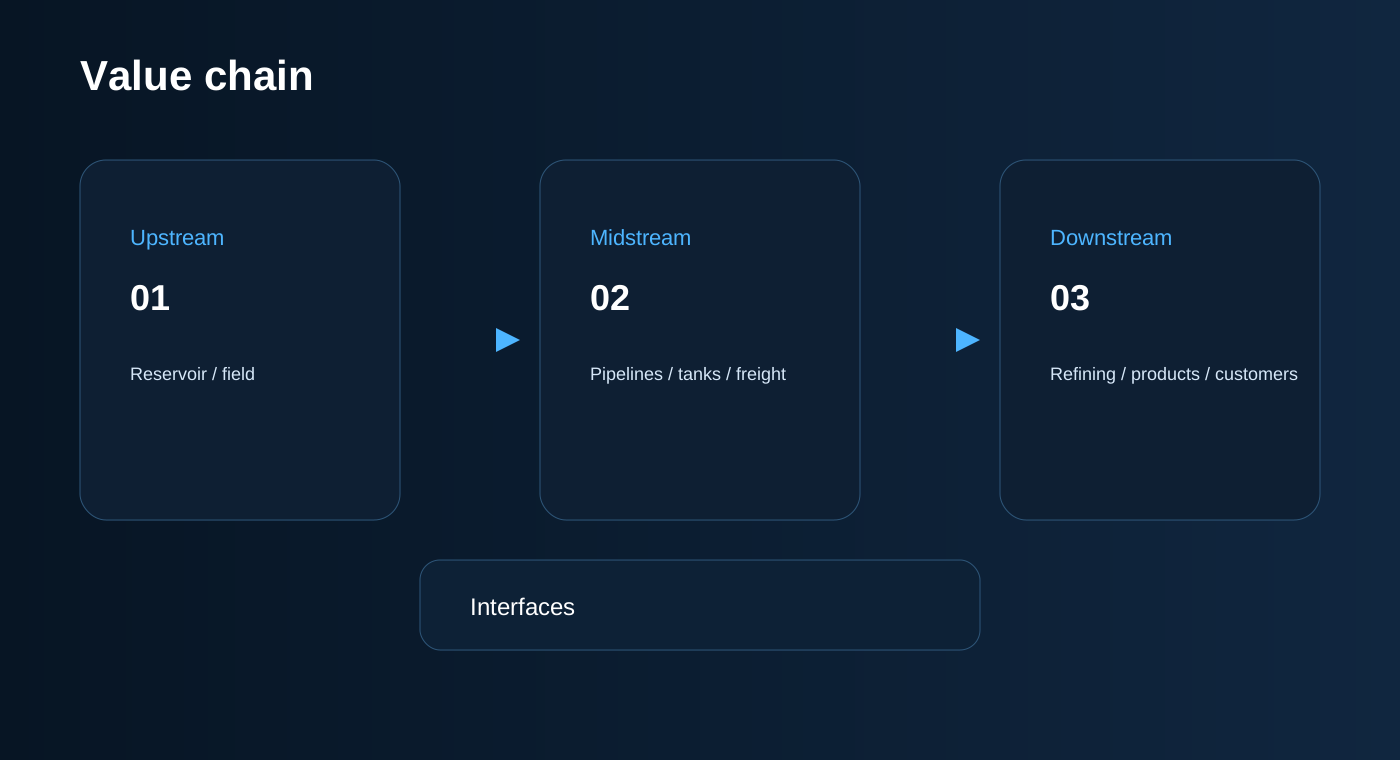
This module explains how capital, timing risk, quality control and customer access shift as a barrel moves from the reservoir to the final market.
All visuals in this package are self-created SVG graphics suitable for commercial deployment without third-party image rights.
Upstream monetises reservoir access, lifting rights and field discipline. Midstream monetises movement, storage, blending room and scheduling. Downstream monetises conversion, distribution, customer access and specification reliability.
Professional readers use this module to connect price, logistics, quality, documentation, timing and counterparty risk in one operating view.
The most sensitive moments are the interfaces between those layers: nominations, line fill, tank handover, vessel acceptance, refinery intake, finished-product dispatch and document release.
Commercial edge appears where one party removes friction faster than another and converts that into a financeable contract, a safer delivery window or a stronger delivered margin.
Before price negotiations go deep, teams usually test the physical limit, the specification limit, the document limit and the credit limit.
Operational discipline comes from aligning nominations, tank windows, inspection evidence, line availability, freight exposure and payment mechanics before the molecule reaches its first bottleneck.
All visuals in this package are self-created SVG graphics suitable for commercial deployment without third-party image rights.
Bottlenecks usually appear when timing, tank space, blend room, credit lines, sanctions screening, sustainability evidence or substitution options do not move at the same speed.
This module explains how capital, timing risk, quality control and customer access shift as a barrel moves from the reservoir to the final market.
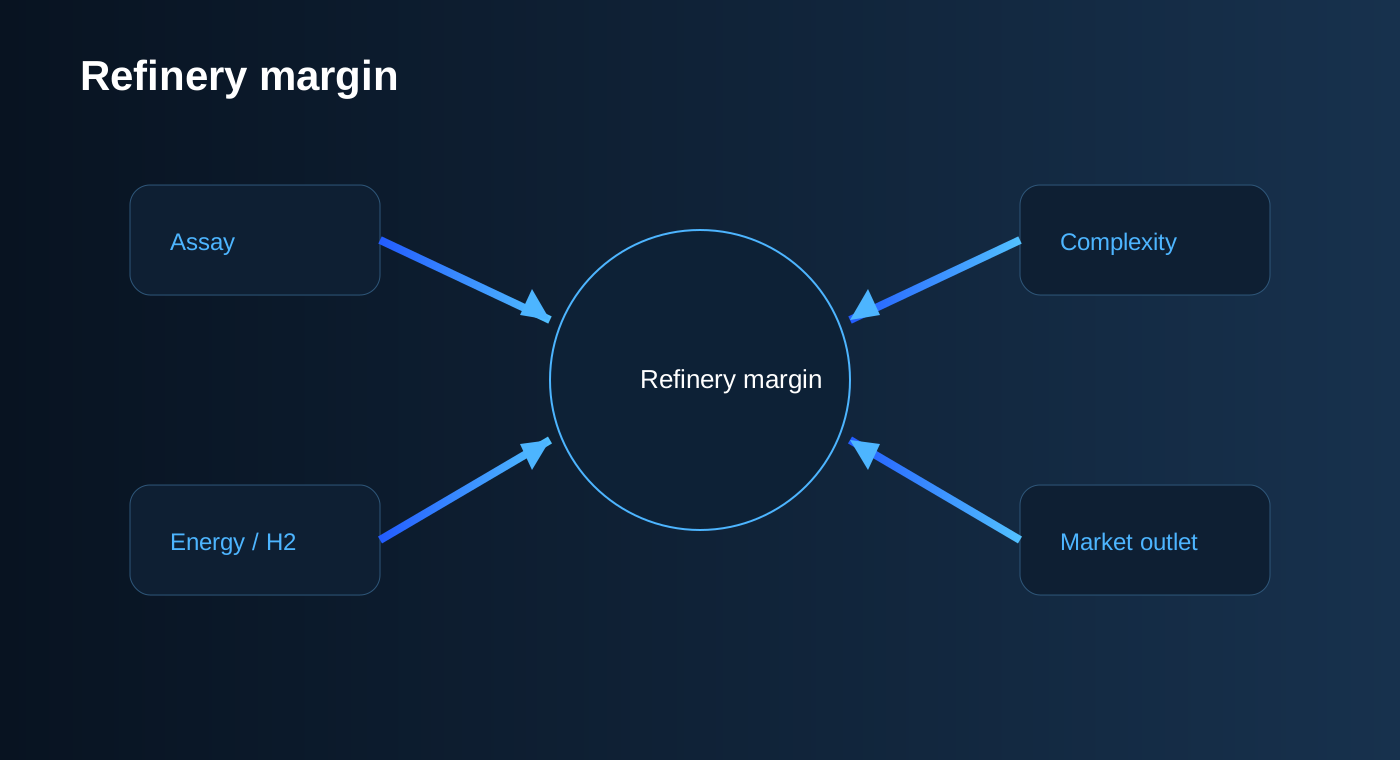
This page points into related modules on margin logic, market actors, logistics, trade finance, freight, risk and refinery fit.
Open the linked module for the next layer of commercial detail.
Open the linked module for the next layer of commercial detail.
Open the linked module for the next layer of commercial detail.
Open the linked module for the next layer of commercial detail.
Open the linked module for the next layer of commercial detail.
Open route →
New module
Open the linked module for the next layer of commercial detail.
Open route →
New module
Open the linked module for the next layer of commercial detail.
Open route →